You Checked the Weather App Six Times and Still Got Completely Soaked
At some point this morning, you opened a weather application on your smartphone. The app — powered by satellites, radar systems, meteorological algorithms, and the combined atmospheric data of an entire continent — told you something. You looked at it. You absorbed the information. You then made a series of life decisions that bore absolutely no relationship to what the app had just told you.
This is not a character flaw. This is the defining spiritual experience of modern American life.
The Ritual of Compulsive Checking
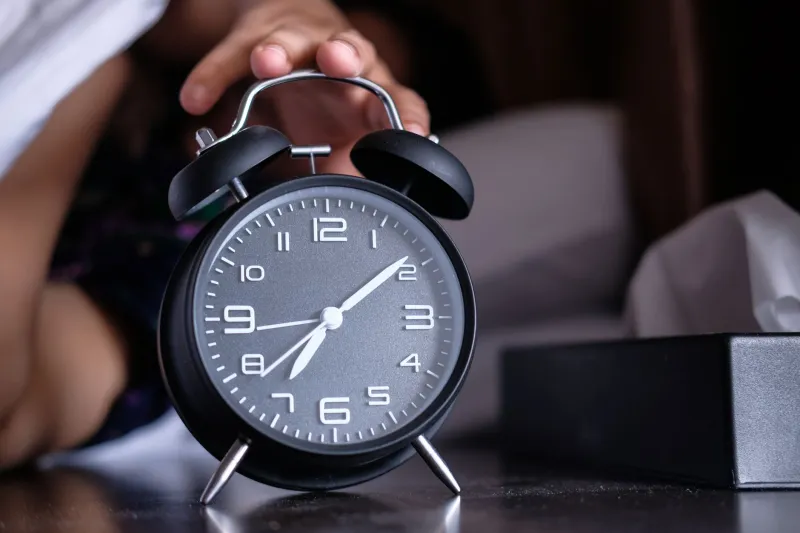
The first check happens before you get out of bed. You haven't opened your eyes fully. Your phone is already in your hand. You squint at the screen, register a number and a small illustrated cloud or sun, and put the phone back down. You have retained approximately none of this information.
The second check happens at breakfast, because something about pouring coffee makes you want to verify that the sky is still doing what you thought it was doing. The app says 62 degrees, partly cloudy. You nod at this. You do nothing differently.
The third check is the important one — the one right before you decide what to wear. This is where the forecast becomes a factor in your life, briefly, before you choose the outfit you were already planning to wear regardless. The app now says there's a 40% chance of rain in the afternoon. You look at this number. You consider it. You leave the house without an umbrella because 40% sounds more like a maybe than a yes, and you are, at heart, an optimist.
The fourth, fifth, and sixth checks happen throughout the day for reasons that are harder to explain. Boredom, mostly. Habit. The same compulsion that makes you open the fridge repeatedly even though you know exactly what's in it and none of it has changed.
The 40% Problem
Let's talk about that 40% for a second, because it is the number that has ruined more afternoons than any other figure in modern meteorology.
40% chance of rain means, technically, that there is a 60% chance it will not rain. You have latched onto this interpretation with both hands. You have built an entire decision-making framework around the idea that 40% is basically fine, basically nothing, basically a suggestion from the universe that you should probably not worry about it.
What 40% actually means, in practice, is that it is going to rain directly on you, personally, in the specific parking lot you are standing in, at the exact moment you are carrying something you really didn't want to get wet.
The app knew. The app tried to tell you. You saw the number, you did the math in your favor, and you moved on. This is entirely on you, and also somehow feels entirely like the app's fault.
The Sunny Icon Betrayal
Nothing in modern technology inspires more misplaced confidence than the small yellow sun icon on a weather app. It is cheerful. It is simple. It communicates warmth and optimism and the promise of a pleasant day. It is also, functionally, a lie approximately one in every four times it appears.
When you see the sun icon, you believe in it completely. You leave the house without a jacket. You make outdoor plans. You tell other people it's going to be a nice day with the confidence of someone who has personally spoken to the atmosphere and received assurances.
And then, at 2:47 PM, a cloud that was apparently not in the forecast appears directly overhead and begins doing what clouds do. You look up at it. You look at your phone. The app, updated in the last hour, now shows a small cloud with a rain symbol, as if this was always the plan, as if the sun icon was simply an earlier draft that got revised without notifying you.
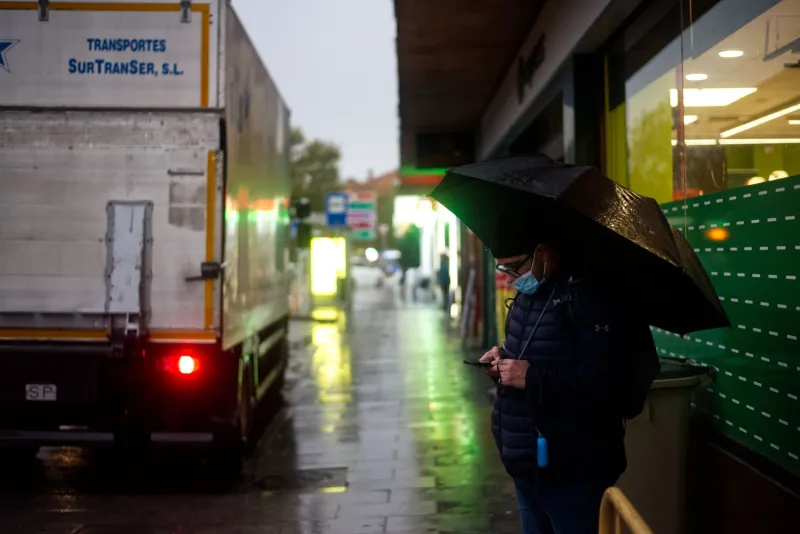
You stand in the parking lot. It is raining on your head. You are wearing a linen shirt. You are, by any reasonable measure, surprised.
The Hourly Forecast Spiral
The hourly forecast exists to help you make informed, granular decisions about your day. What it actually does is send you into a 20-minute spiral of micro-analysis that somehow results in you being less prepared than if you'd just looked out the window.
You zoom in. You scroll through every hour. You note that 11 AM shows a sun, 12 PM shows a partial cloud, 1 PM shows a cloud with a small lightning bolt that you immediately minimize because it's alarming and you have a lunch reservation. You decide that the window between 11 and 12 is your opportunity. You plan your entire day around this one-hour gap in the precipitation schedule.
It rains at 11:15. The lightning bolt was not a suggestion.
The Emotional Relationship Nobody's Naming
Here's what's actually happening: you are in a relationship with your weather app, and it is not a healthy one. You check in constantly. You want reassurance. You interpret its ambiguous signals in the most favorable way possible and then feel genuinely hurt when reality doesn't match your preferred reading.
You don't use the forecast to prepare. You use it to hope. There's a difference, and that difference is currently soaking through your socks.
The umbrella was right there. It was in your closet. You walked past it on the way out. The app had, at various points throughout the morning, given you at least three separate opportunities to pick it up. You did not pick it up. You chose optimism over information, and optimism is currently losing to a parking lot puddle.
A Modest Proposal
Nobody is suggesting you stop checking the weather app. That is not a realistic ask and everyone knows it. You will check it again tonight before bed for tomorrow's forecast, and tomorrow you will make the same sequence of decisions, and tomorrow there is a 40% chance of rain.
But maybe — just maybe — consider keeping an umbrella in your car. Not because you'll use it. Not because you'll remember it's there when you actually need it. But because the act of putting it there means you've, on some level, acknowledged the app's fundamental message:
The weather is going to do what it wants. You're just checking in to feel like you're part of the conversation.