The Half-Second of Pure Terror Between You and Whoever's Hand Is Currently Airborne
The Half-Second of Pure Terror Between You and Whoever's Hand Is Currently Airborne
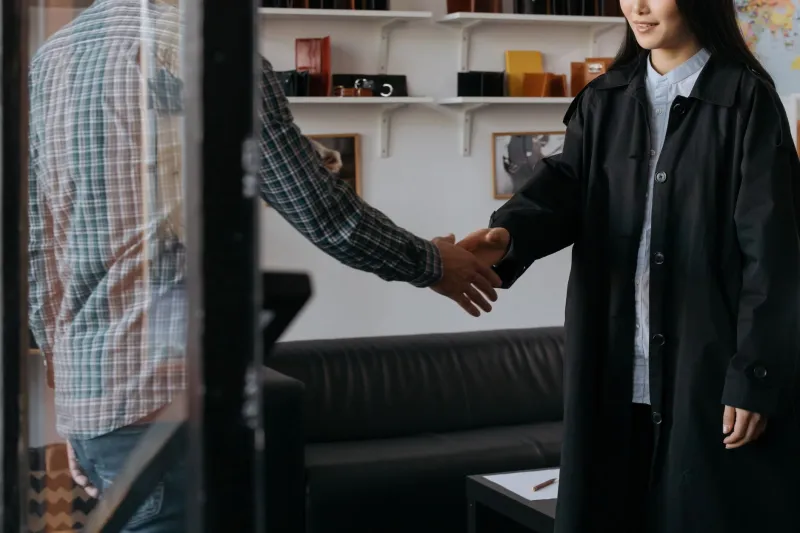
There used to be rules. Firm handshake, eye contact, done. You knew what was happening. You knew your role. You showed up, extended your right hand at the appropriate moment, and the other person met you there. It was a system. It worked for approximately a hundred years.
That system is now gone, and nobody held a meeting.
What replaced it is not a new system. What replaced it is a rotating cast of possible greetings — handshake, wave, fist bump, elbow tap, hug, side hug, double cheek kiss if the other person has a certain energy about them — with no agreed-upon method for signaling which one you're going for. Every greeting is now an improvised jazz performance where both musicians showed up with different instruments and neither one has seen the sheet music.
The Commitment Window
Here is the problem with modern greeting etiquette: there is a commitment window, and it closes fast.
You have approximately half a second — maybe less — from the moment you clock that someone is approaching you with greeting intent to the moment your body has already chosen a response. Your arm is moving before your brain has finished its threat assessment. By the time your conscious mind registers wait, which one are we doing, your hand is already at a height and angle that has committed you to something. You just don't know what yet.
If the other person read the room differently, you are now in the Overlap Zone. The Overlap Zone is where hybrid greetings are born.
A Taxonomy of Mutant Greetings
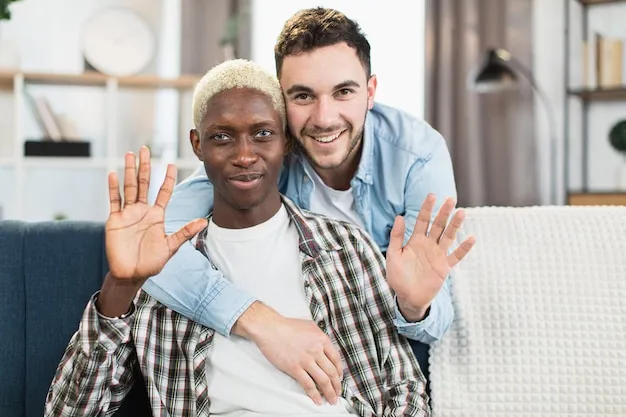
The Handwave: You went for a handshake. They went for a wave. Your extended hand is now hovering in the air between you like a question nobody wants to answer. You will convert it into a wave approximately one beat too late, which means you wave at someone from a distance of eight inches. You both laugh. It is not funny. It is a coping mechanism.
The Fist-Shake: They offered a fist bump. You offered a handshake. Their fist disappears into your open palm like a very small, very awkward high-five. You close your hand around their fist briefly. You have invented a new greeting. It means nothing. You will both pretend it was intentional.
The Shoulder Hug Pivot: You went for a handshake. They went for a full hug. Your outstretched arm is now trapped between your bodies at an angle that is medically inadvisable. You pat them on the back with your other hand to signal that you are a person who hugs. You are not a person who hugs. You are adapting in real time.
The Double Wave: Both parties went for a wave. This should be a success. Instead, you both wave at the same moment, at the same height, with the same energy, and it looks like you are mirroring each other in a corporate team-building exercise. You both laugh again. Still a coping mechanism.
The Elbow Ghost: A brief 2020-era relic that some people have not fully retired. You go for a handshake. They offer an elbow. You tap their elbow with your open hand. Nobody knows what this means anymore but you have both survived it.
The Negotiation
What's remarkable about the half-second before contact is how much information two people are trying to exchange with almost no tools. You are reading their body language, their arm trajectory, their energy level, their apparent familiarity with you, whether they seem like a hugger, whether they have strong feelings about personal space, and whether the context — work event, casual hangout, funeral — changes the calculus.
You are doing all of this while also maintaining eye contact and smiling in a way that communicates I am a normal person who knows how greetings work.
You do not know how greetings work. Nobody does anymore. You are all just guessing.
The Aftermath
The worst part isn't the botched greeting itself. The worst part is the ten seconds after it, when both people are now standing together, having just performed a small social catastrophe in front of each other, and must immediately pivot to normal conversation as though nothing happened.
"So how have you been?" you say.
"Good, good," they say.
You are both thinking about the fist-shake. You will both be thinking about the fist-shake for the rest of the evening. At some point during the drive home, one of you will replay it in full detail and wince.
A Modest Proposal
Someone — a sociologist, a tech billionaire, a bored senator — needs to call a summit. A national greeting summit. We need to pick one thing and commit to it. Not because the stakes are high. Because the stakes are exactly low enough that this amount of collective anxiety is completely absurd.
Until then, keep your arms slightly bent. Stay loose. Read the room. And if someone's hand is already airborne, you have about four hundred milliseconds to figure out your entire personality.
Good luck out there.