Congratulations, You're Now the Family Expert on Bird Migration (Thanks to One Wikipedia Binge)

The Birth of False Authority
It started so innocently. Maybe you were watching a nature documentary and casually mentioned that monarch butterflies travel 3,000 miles during migration. Or perhaps you read an article about why cats purr and shared this groundbreaking intelligence at a family barbecue.
Boom. Congratulations. You are now the Official Family Animal Behavior Specialist, whether you like it or not.
This is how accidental expertise works in America: one random fact + one social gathering = a lifetime appointment to a job you never applied for. It's like being drafted into an army of knowledge you don't actually possess, armed with information you half-remember from a Tuesday afternoon internet rabbit hole.
The Snowball Effect
What makes this phenomenon truly beautiful is how it compounds over time. That initial butterfly fact doesn't stay contained to butterflies. Oh no. Suddenly you're the go-to person for all animal-related queries.
"Hey, didn't you say something about animals that one time? Why is my dog eating grass?"
"Uh, well, I think I read somewhere that they might be trying to settle their stomach?"
"Wow, you really know your stuff!"
And just like that, you've graduated from Butterfly Migration Specialist to Full-Service Animal Behavior Consultant. Your expertise has evolved faster than the species you accidentally became an expert on.
The truly impressive part is how your family's confidence in your abilities grows inversely to your actual knowledge. The less you know, the more they believe you know everything. It's like some kind of reverse Dunning-Kruger effect, but for other people's perceptions of your intelligence.
The Escalation Timeline
Month 1: "Remember when Sarah told us about those butterflies?" Month 6: "Sarah knows all about animals." Year 2: "We should ask Sarah — she's basically a wildlife expert." Year 5: "Sarah went to school for this stuff, right?"
By year five, you've somehow acquired an entire fictional educational background. People start introducing you at parties as "the one who knows about animals." You've become a walking, talking Wikipedia page that everyone assumes went to college for zoology instead of, you know, business administration.
The Consultant Trap
The worst part? You start to believe it yourself. Not completely, but just enough to be dangerous. You find yourself nodding confidently when people ask about animal behavior, as if those three Wikipedia articles you read in 2019 constitute a doctoral dissertation.
"Well, you see, it's all about their natural instincts," you hear yourself saying, using the kind of authoritative tone usually reserved for people who actually know what they're talking about.
Deep down, you know you're one Google search away from being completely exposed. But everyone's looking at you with such hope and trust. They need you to be the expert. They've already told their friends about your vast knowledge. The social contract has been signed in invisible ink.
The Imposter Syndrome Olympics
This is where things get really interesting. You start experiencing imposter syndrome for a job you never wanted in a field you never studied. It's like having performance anxiety about a performance you never agreed to give.
You find yourself doing frantic research before family gatherings, cramming animal facts like you're studying for a final exam in a class you accidentally enrolled in. You bookmark National Geographic articles. You start following wildlife photographers on Instagram. You're not learning because you're interested — you're learning because your reputation depends on it.
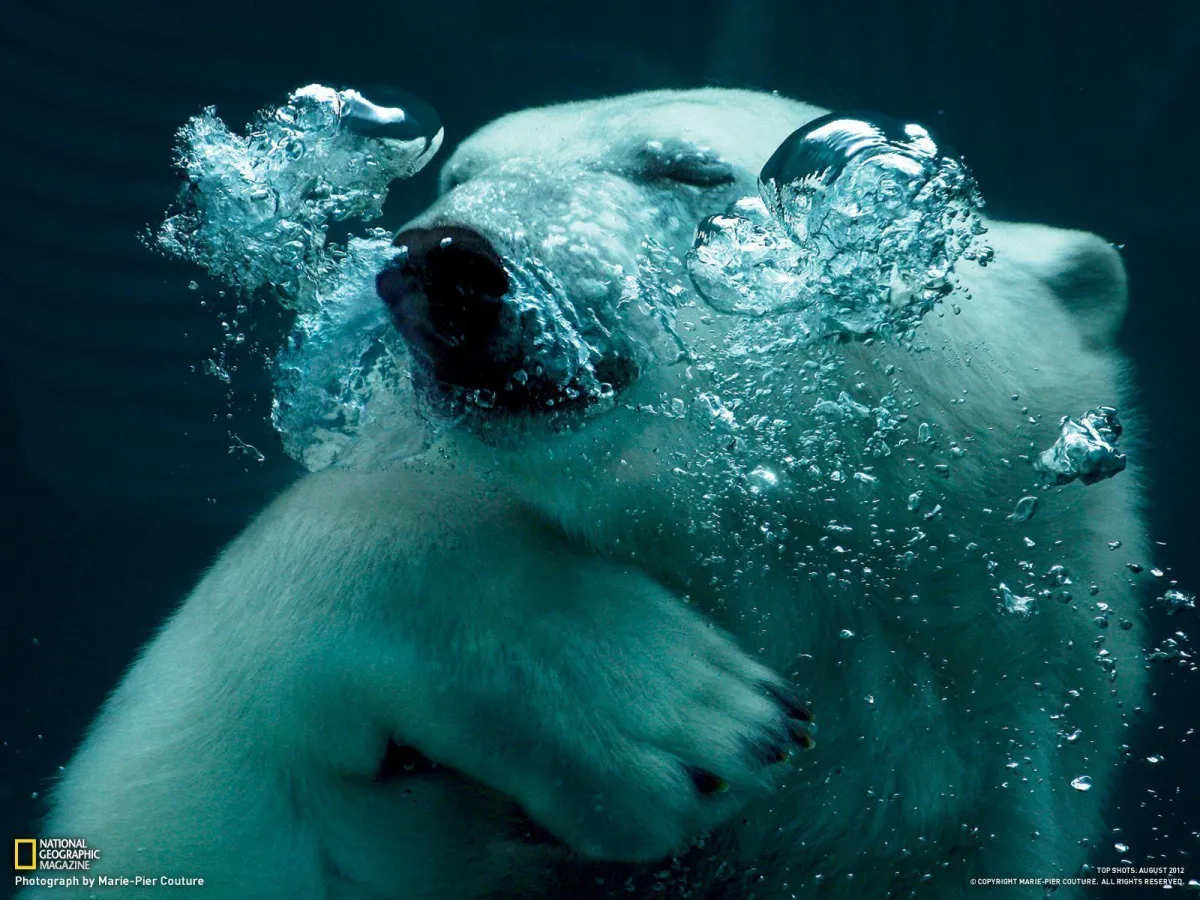 Photo: National Geographic, via wallpapercave.com
The pressure is real. What if someone asks about something you don't know? What if they discover that your entire expertise is based on that one time you correctly identified why dogs tilt their heads?
The Expertise Expansion Pack
But wait, there's more! Your accidental animal expertise doesn't stay contained to animals. Somehow, it metastasizes into related fields you've never even thought about.
"Sarah knows about animals, so she probably knows about plants too, right?"
"Well, I mean, ecosystems are connected..." you find yourself saying, despite the fact that you've killed every houseplant you've ever owned.
Suddenly you're fielding questions about why someone's tomatoes aren't growing, what kind of fertilizer works best, and whether that weird bug on their roses is dangerous. Your expertise has evolved from monarch butterflies to full-service environmental consulting.
The Great Reveal (That Never Comes)
The funniest part about being an accidental expert is that the truth rarely comes out. People don't want to know that their trusted advisor learned everything from a Wikipedia binge and three YouTube videos. They've invested too much social capital in your expertise.
Even when you try to confess — "Actually, I really don't know that much about this stuff" — they just nod and say, "Oh, you're so modest!" Your humility becomes proof of your expertise. It's like trying to escape quicksand made of other people's expectations.
Embracing the Absurd
Eventually, you have two choices: fight it or embrace it. Fighting it means constantly disclaiming your knowledge, which makes people trust you more. Embracing it means accepting that you've become the family's go-to person for a subject you stumbled into by accident.
The truth is, most of us are just making it up as we go along anyway. The only difference between you and a "real" expert is that they've been making it up for longer and with more confidence.
So go ahead, lean into your accidental expertise. Answer those questions with the authority of someone who definitely didn't learn everything they know from a Wikipedia rabbit hole that started with looking up whether penguins have knees.
After all, someone has to be the expert. It might as well be you.
It's quite like that, isn't it?