The Doorway Standoff: A Polite Disaster in Three Acts
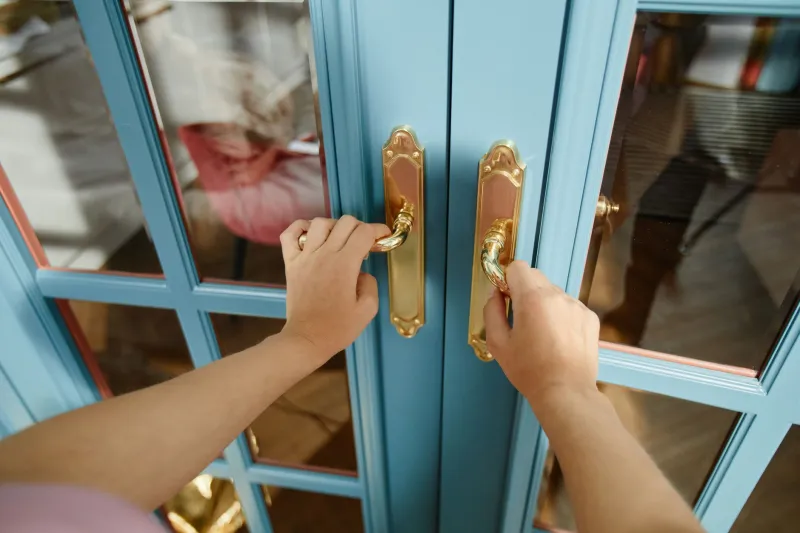
It should have taken two seconds. You were both heading toward the same door. One of you got there first, held it open, gestured in the universal after you manner, and at that moment — right there — everything should have been resolved.
Instead, you are now three minutes into what can only be described as a courtesy arms race, neither of you has moved, and the line of people forming behind you is beginning to develop opinions.
This is the Doorway Standoff. And it is one of the most uniquely American ways to make a simple situation profoundly complicated.
Act One: The Eye Contact That Started Everything
The standoff does not begin at the door. It begins approximately eight feet away from the door, when two people making their way toward the same entrance make accidental eye contact and both immediately understand that a social negotiation is now unavoidable.
In that moment, each party runs a rapid calculation. Who is closer? Who got here first? Who has more stuff? Who is older? Does seniority apply here? Is this a situation where seniority applies? These questions are processed in under a second, which is impressive, and resolved incorrectly, which is inevitable.
The first person to reach the door holds it open. This is the gesture. This is the opening move. It is kind, it is genuine, and it immediately creates a problem.
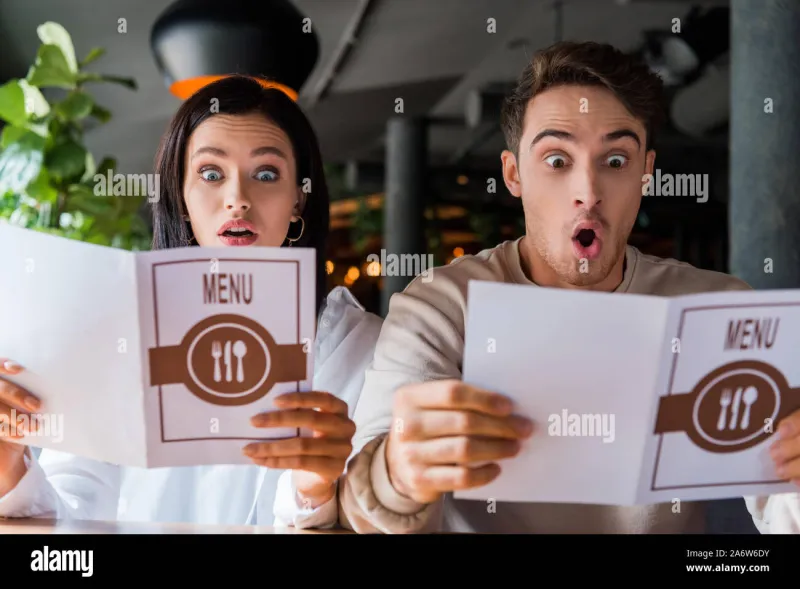
Because the second person — touched by the gesture, not wanting to be presumptuous, aware that they too are a courteous individual with values — says: *"Oh, no, please, go ahead."
And the game has begun.
Act Two: The Escalation
What follows is a sequence of events that, if filmed and sped up, would look like two people performing a very slow, very confused dance in front of a building entrance.
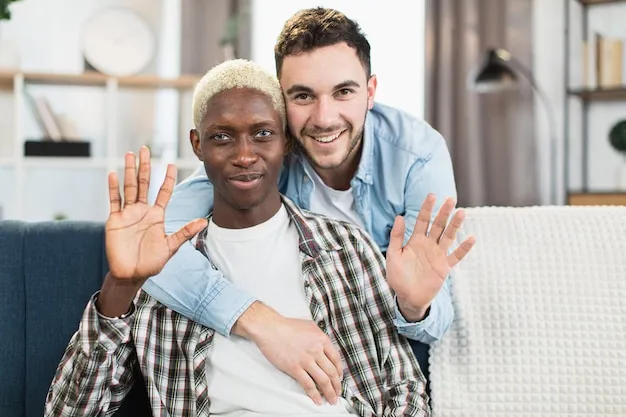
The person holding the door insists. The other person insists back. The first person does a small, encouraging wave — the wave that means I have already committed to holding this door and my arm is literally extended, please just walk through. The second person shakes their head with a smile that means I couldn't possibly, you were here first, the honor is yours.
Neither of these people is being dishonest. Both of them genuinely want the other to go first. That is exactly the problem. You cannot resolve a conflict where both parties have identical, competing desires to be less inconvenient. It is a logical stalemate dressed up in good manners.
At some point, one person says "I insist" — and here is where things get truly interesting, because I insist is supposed to be the closer. I insist is supposed to end the negotiation. But the other person can also say I insist, and frequently does, and now you have two people insisting simultaneously and the door is still being held by someone whose arm is getting tired.
The Simultaneous Shuffle: A Special Kind of Chaos
Eventually, one of two things happens. Either someone simply walks through — which requires briefly abandoning all dignity and accepting that you have, in fact, lost the politeness competition — or both people attempt to move through the door at the same time.
The simultaneous shuffle is its own disaster. Both parties lean forward at the same moment. Both parties then immediately step back. Both parties laugh, gesturing at the other to go. Both parties step forward again. The laugh becomes slightly more strained. Someone says "sorry" for reasons that are not entirely clear. The people behind them have now been standing here long enough to have formed a small community with shared grievances.
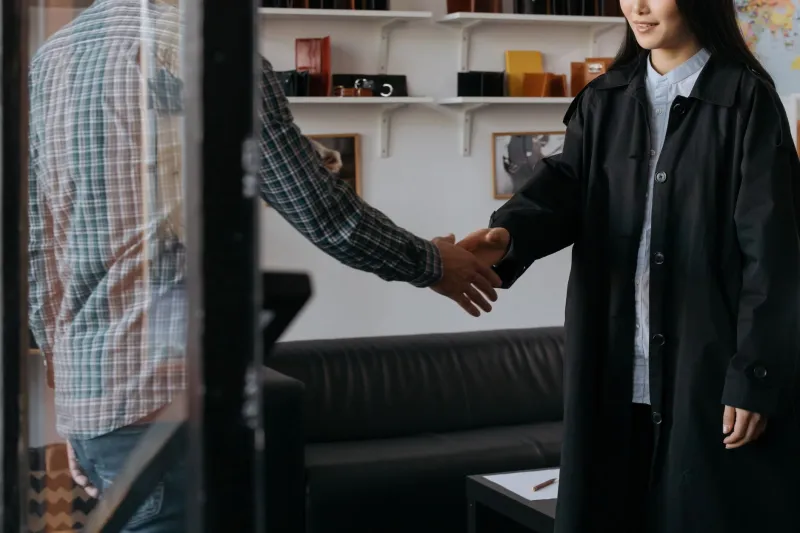
The shuffle ends when someone — usually the person who has been holding the door, whose arm is now genuinely tired — simply commits. They walk through. They do not make eye contact. They say "thank you" with the energy of someone who has just survived something.
The other person follows. They also say "thank you." They also do not make eye contact. They have both been changed by this experience in ways they cannot fully articulate.
Why We Do This and Why We Cannot Stop
The truly fascinating thing about the Doorway Standoff is that it is completely voluntary. Nobody is forcing either party to escalate. The first after you could simply be accepted. The wave could be walked through. The whole thing could be over before it starts.
But that feels rude. That feels like taking something that wasn't offered. Even though it was offered. Even though the offering was the entire point.
American politeness operates on a strange economy where the goal is not actually to resolve a situation efficiently, but to demonstrate that you are the kind of person who would never prioritize your own convenience over someone else's. The standoff is not really about the door. It is a live audition for the role of considerate person, and both parties are determined to get the part.
The irony, of course, is that the most considerate thing either person could do is simply walk through the door immediately and let everyone get on with their day. But acknowledging that would require a level of collective self-awareness that is simply not available at 8:45 AM on a Tuesday outside a Starbucks.
The Aftermath
Once the standoff resolves, both parties disperse quickly and do not discuss it. There is an unspoken agreement that what happened at that door stays at that door. You will not see this person again, or if you do, you will both pretend this never occurred.
You will, however, do the exact same thing tomorrow. With someone else. Outside a different door. With the same unshakeable confidence that this time it will resolve faster.
It will not resolve faster.
But quite like that, you'll hold the door anyway — because that's just who you are.