Your Music App Is Basically a Digital Therapist Who Never Went to School
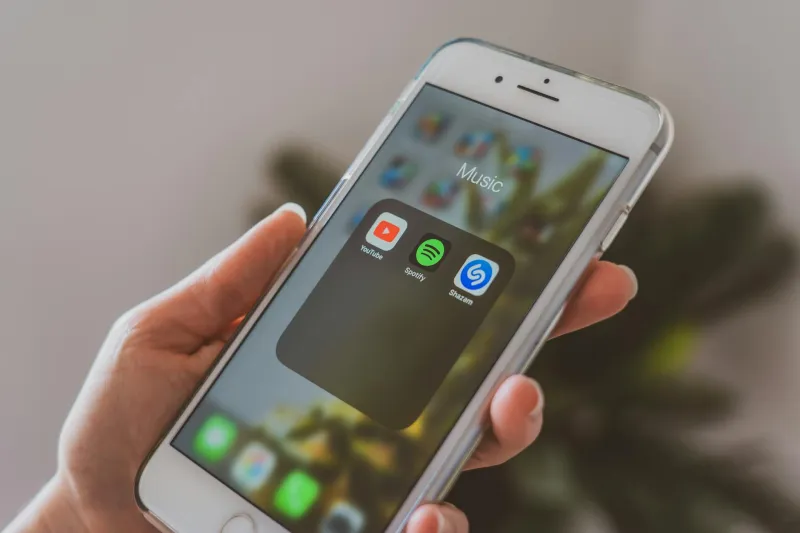
The Algorithm Sees All
Somewhere in a server farm, a computer program is keeping meticulous notes about your mental state. It doesn't have a psychology degree or a cozy office with tissues strategically placed on every surface, but it knows you've been playing "Mad World" on repeat for three days straight. And honestly? It's getting concerned.
Your music streaming service started out innocent enough. You fed it some Beatles, threw in a little Taylor Swift, maybe some classic rock to seem well-rounded. You thought you were training it to understand your sophisticated musical palate. What you were actually doing was creating a digital mood ring that would eventually know you better than your mother.
The Playlist of Broken Dreams
It begins subtly. Your "Discover Weekly" starts including songs with titles like "Everything Is Fine" and "Barely Holding On." You think it's a coincidence. The algorithm knows better. It's been watching you skip every upbeat song for the past two weeks and has drawn its conclusions.
Then comes the playlist suggestions that feel like personal attacks. "Songs for When You're Pretending Everything Is Okay" appears in your recommendations. You didn't search for this. You didn't ask for this level of accuracy. But there it is, a perfectly curated soundtrack to your existential crisis, complete with that one song that makes you cry in your car.
The Midnight Confessions
The real horror happens at 2 AM when you're stress-cleaning your apartment and suddenly your phone starts playing exactly the right song for your breakdown. Not just any sad song – the specific type of melancholy that matches your particular brand of 2 AM anxiety. The algorithm has been taking notes during your late-night listening sessions, cataloging every emotional spiral with the dedication of a graduate student writing their thesis on your feelings.
Your Spotify Wrapped becomes less of a fun year-end summary and more like a psychological evaluation. "You listened to 'Hurt' by Johnny Cash 847 times this year." Thanks for the reminder, robot therapist. Really needed that wake-up call about my coping mechanisms.
The Futile Rebellion
You try to game the system. You'll show this algorithm who's boss. You deliberately play "Happy" by Pharrell Williams seventeen times in a row, thinking you can convince the machine that you're actually doing great. You throw in some motivational pump-up songs, maybe a little "Eye of the Tiger" for good measure.
The algorithm is not impressed. It knows you're lying. Two days later, it serves up a playlist called "Fake It Till You Make It" with suspiciously on-the-nose song choices. It's like having a friend who sees right through your "I'm fine" text messages, except this friend lives in your phone and never stops taking notes.
The Uncomfortable Accuracy
The worst part isn't that the algorithm knows you're sad. The worst part is how eerily accurate its recommendations become. It starts suggesting songs you've never heard but somehow perfectly capture your current emotional state. Artists you've never listened to suddenly appear in your feed with lyrics that feel like they were written specifically about your Tuesday morning existential dread.
Your phone becomes a mirror that plays music, reflecting back your inner turmoil through increasingly specific genre classifications. "Indie Folk for Questioning Your Life Choices" appears as a suggested playlist, and you can't even be mad because it's exactly what you need right now.
The Digital Intervention
Sometimes the algorithm tries to help. It notices you've been stuck in a depressive music loop and gently suggests some slightly more upbeat alternatives. "Based on your recent listening, you might like this moderately less devastating song." It's like having a concerned friend who's worried about your mental health but can only communicate through song recommendations.
Your "Daily Mix" becomes a carefully balanced cocktail of your actual mood and what the algorithm thinks might help. It's performing musical therapy without a license, trying to gradually lift your spirits through strategic playlist placement.
The Acceptance Phase
Eventually, you stop fighting it. You accept that your music streaming service knows you better than most humans in your life. It remembers that you always skip love songs when you're single and gravitates toward angry music when you're dealing with work stress. It's documented your entire emotional journey through data points and listening habits.
Your algorithm becomes your most consistent relationship. It's always there, quietly taking notes, never judging (out loud), and somehow always knowing exactly what you need to hear. Sure, it occasionally calls you out through passive-aggressive playlist titles, but at least it's paying attention.
The Uncomfortable Truth
In the end, maybe having a digital therapist isn't the worst thing. At least it doesn't charge $200 an hour or make you sit in an uncomfortable chair while you explain your feelings. It just quietly documents your emotional state through your music choices and occasionally suggests that maybe you should listen to something that won't make you cry in the grocery store.
Your streaming algorithm: the therapist you never asked for but probably needed, keeping detailed notes on your psychological state one song skip at a time.