The Daily Guilt Garden: How Your Succulents Became Your Therapists
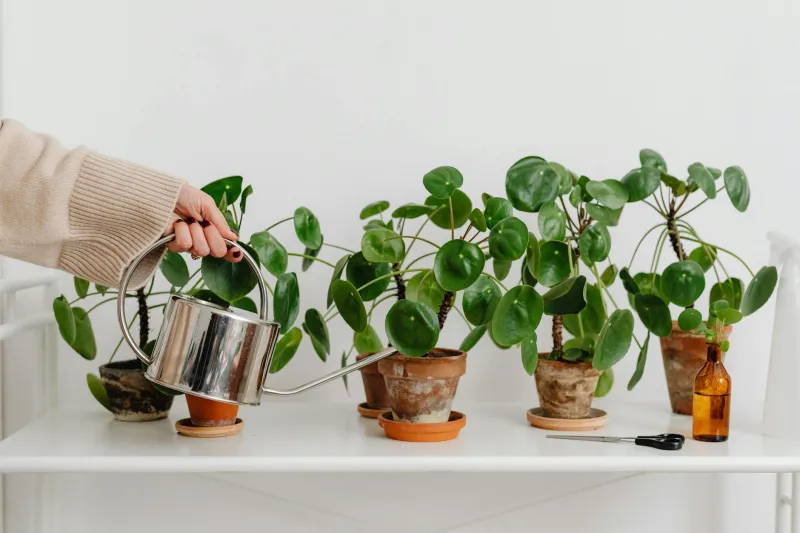
The Innocent Beginning
It all started so simply. You walked into Home Depot for a screwdriver and walked out with three succulents, a watering can shaped like a dinosaur, and the unshakeable belief that you were about to become one of those people with a green thumb and a thriving indoor jungle.
The cashier smiled knowingly. She'd seen this before.
The Honeymoon Phase
For exactly two weeks, you were the Plant Parent of the Year. You misted. You rotated. You downloaded an app that reminded you when to water them, complete with little plant emojis that made you feel like a responsible adult who had their life together.
You named them. Kevin the snake plant. Brenda the pothos. Gerald the peace lily who seemed anything but peaceful with his dramatic drooping whenever you forgot to water him for more than 36 hours.
You posted Instagram stories of your "plant babies" with captions like "Sunday vibes with my green friends" and felt genuinely proud of this new chapter in your adulting journey.
The Slow Descent
Then life happened. Work got busy. You traveled for a weekend. You forgot to open the blinds for three days straight because you were binge-watching a Netflix series about serial killers, which somehow felt more pressing than photosynthesis.
Kevin started looking a little... wrinkled. Brenda's leaves turned yellow. Gerald staged a full dramatic collapse that would make a soap opera star jealous.
The Panic Overcompensation
This is where things got weird. Instead of accepting that you'd neglected them and adjusting accordingly, you entered what can only be described as Plant Parent Panic Mode.
Sudenly, you were watering them daily. Twice daily. You moved them from window to window like you were following the sun across your apartment. You started talking to them – not cute little "hello, plants" comments, but full conversations about your day, your feelings, your concerns about whether you were mature enough to keep anything alive.
"I'm sorry, Gerald," you found yourself saying at 11 PM on a Tuesday. "I know I've been distant. It's not you, it's me."
Gerald continued to droop, unmoved by your emotional breakthrough.
The Research Spiral
Then came the midnight Google sessions. "Why is my snake plant wrinkled?" "How often water pothos?" "Peace lily drooping overwatering or underwatering?"
You discovered terms like "root rot" and "humidity levels" and "indirect bright light" – phrases that made you realize you'd been winging this whole plant parent thing with the confidence of someone who'd watched exactly one YouTube video.
You learned that succulents actually prefer neglect. That your peace lily was basically the drama queen of the plant world. That you'd been killing them with kindness, which somehow felt worse than killing them with neglect.
The Full Emotional Reckoning
By month three, your relationship with your plants had evolved into something that would require couples therapy if plants could talk back. You found yourself apologizing to them regularly – not just for watering mistakes, but for deeper things.
"I'm sorry I bought you impulsively," you whispered to Kevin while adjusting his position for the fourth time that week. "I'm sorry I thought I could change. I'm sorry I'm the kind of person who starts things and doesn't finish them."
The plants, mercifully, said nothing. But their silence felt loaded.
The Philosophical Crisis
Somewhere around the time you caught yourself explaining your childhood to a fiddle leaf fig, you realized this wasn't really about plants anymore. These three small living things had become a mirror reflecting every commitment you'd enthusiastically started and quietly abandoned.
The gym membership. The language learning app. The sourdough starter that died a lonely death in the back of your fridge. The novel you were going to write. The morning routine that was going to change your life.
Your plants had become tiny green therapists, silently witnessing your pattern of good intentions followed by benign neglect followed by guilt-fueled overcompensation.
The Acceptance Stage
Eventually, you reached a kind of peace with your plant situation. Not the Instagram-worthy peace of someone with a thriving jungle, but the realistic peace of someone who waters them when they remember and apologizes when they don't.
Kevin survived, because snake plants are basically indestructible. Brenda bounced back, because pothos are forgiving. Gerald... well, Gerald taught you about acceptance and the natural cycle of life and death, mostly death.
The Ongoing Relationship
Now, months later, you still talk to your plants. Not because you think they understand, but because they're excellent listeners who never interrupt or offer unsolicited advice. They've seen you in your pajamas at 2 AM, stress-eating cereal and explaining why you can't text that person back.
They've become witnesses to your life in a way that's both absurd and oddly comforting. Sure, you're the person who apologizes to succulents and googles "plant therapy" at midnight, but at least you're consistent.
And sometimes, when Kevin's looking particularly upright or Brenda sprouts a new leaf, you feel a small surge of pride that maybe, just maybe, you're not completely hopeless at keeping things alive.
Even if those things are just very patient, very silent, and incapable of leaving you for someone who remembers to water them on schedule.